 Save
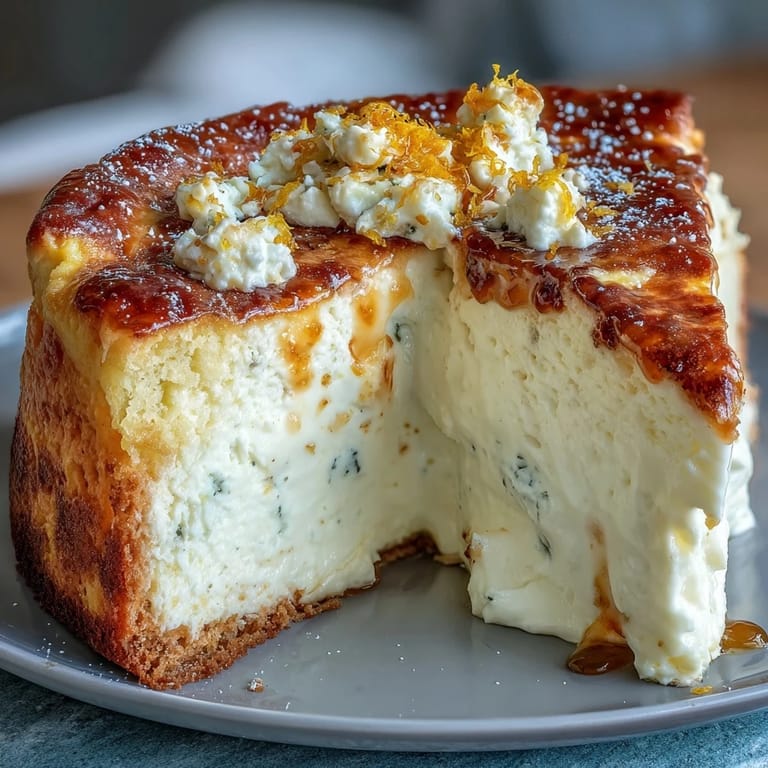
Save My nonna used to make this ricotta pie every Easter, and the whole kitchen would fill with this bright, lemony sweetness that felt like spring had walked through the door. Years later, I attempted it myself on a whim, nervous about whether I could capture that same magic she had, and I realized the secret wasn't some hidden technique but rather the quality of ingredients and patience. The creamy ricotta filling, kissed with fresh lemon zest, transforms something simple into something that tastes like celebration. Now whenever I make it, I'm transported back to her kitchen, watching her delicate hands work the dough and listening to her hum while the oven did its quiet work.
I made this pie for my partner's family gathering last spring, and I remember standing in the kitchen at dawn, rolling out the pastry while everyone was still asleep. There's something peaceful about working quietly with butter and flour before the day gets loud, and when that golden crust came out of the oven, I felt this small rush of pride. By the time dessert rolled around, watching people close their eyes after the first bite told me everything I needed to know.
Ingredients
- All-purpose flour (2 cups): The foundation of your crust—keep it cold and handle it minimally so your pastry stays tender and doesn't become tough.
- Granulated sugar (1/2 cup for pastry, 3/4 cup for filling): The pastry sugar adds subtle sweetness while the filling sugar balances the brightness of lemon without making it cloying.
- Unsalted butter (1/2 cup, cold and cubed): Cold butter is non-negotiable here; it creates those precious layers that make pastry flaky and almost melt on your tongue.
- Egg and egg yolk: The egg yolk adds richness to the pastry while the whole eggs in the filling create that silky, custard-like texture.
- Whole milk ricotta cheese (2 cups, well drained): Draining is crucial—wet ricotta will make your filling watery, so let it sit in a fine sieve for at least 30 minutes before using.
- Lemon zest (from 2 lemons): Fresh zest delivers bright, volatile oils that bottled versions simply cannot match; use a microplane for the finest texture.
- Heavy cream (1/4 cup): This adds a luxurious richness that keeps the filling from drying out during baking.
- Vanilla extract: A small amount in both the crust and filling adds depth without announcing itself.
- Salt: A pinch in both the pastry and filling heightens all the other flavors.
Tired of Takeout? 🥡
Get 10 meals you can make faster than delivery arrives. Seriously.
One email. No spam. Unsubscribe anytime.
Instructions
- Make your pastry dough:
- Combine flour, sugar, and salt in a large bowl, then add your cold butter cubes and rub everything together with your fingertips until it looks like coarse breadcrumbs—this friction creates those flaky layers. Mix in the egg, egg yolk, and vanilla, then add cold water one tablespoon at a time until the dough just barely comes together; overworking it will make it tough instead of tender.
- Chill and rest:
- Shape your dough into a disk, wrap it in plastic wrap, and let it rest in the fridge for at least 30 minutes—this relaxes the gluten and makes rolling easier. Rushing this step often leads to a dough that shrinks in the pan, so patience pays off.
- Prepare your pan:
- Preheat your oven to 350°F and grease a 9-inch pie or tart pan. On a lightly floured surface, roll out your chilled dough to fit the pan, then gently press it into the bottom and sides without stretching it.
- Blind bake the crust:
- Prick the base with a fork to prevent air bubbles, then chill for 10 minutes while you prepare the filling—this second chill helps the crust hold its shape.
- Blend the filling:
- In a large bowl, whisk together your drained ricotta, sugar, eggs, vanilla, lemon zest, lemon juice, flour, salt, and heavy cream until completely smooth and homogeneous. The flour helps set the filling, so don't skip it.
- Combine and bake:
- Pour your filling into the prepared pastry shell and smooth the top gently. Bake for 55 to 60 minutes until the edges are set but the very center still has a slight wobble—this wobble becomes just-set as it cools, keeping the texture creamy rather than rubbery.
- Cool with intention:
- Let the pie cool completely on a wire rack, then chill it in the refrigerator for at least 2 hours before slicing. This resting period allows the filling to firm up properly and the flavors to meld.
- Finish and serve:
- Dust generously with powdered sugar just before serving—the contrast of the snowy white against the pale golden filling is part of the charm.
 Save
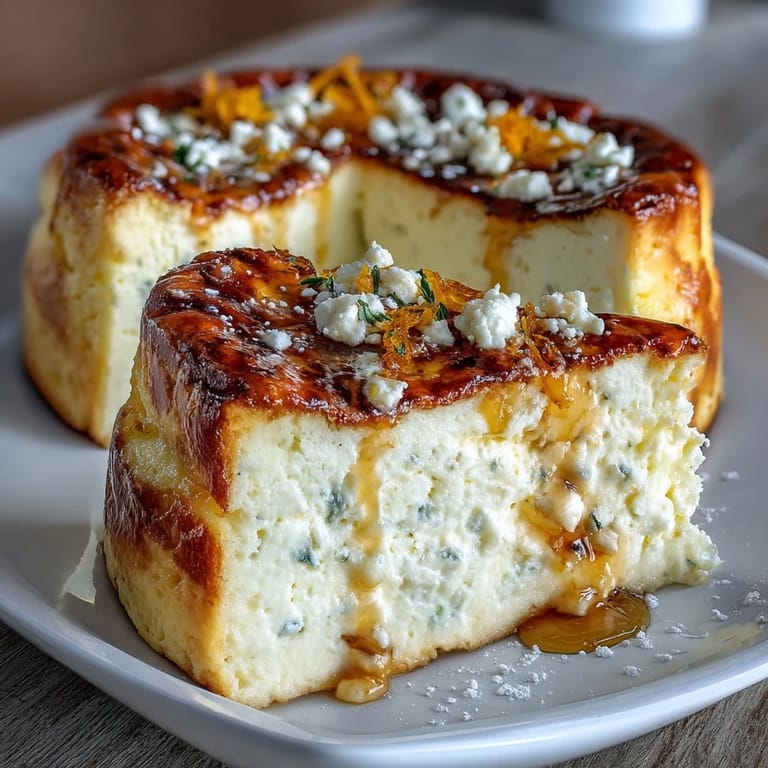
Save There's a moment when you pull this pie from the oven and the kitchen fills with this warm, honeyed lemon scent that makes everyone stop what they're doing and ask what's baking. That's when you know it's going to be good.
The Science of Creamy Filling
The magic of this filling lies in the balance between the ricotta's natural whey and the heavy cream you add—too much moisture and it bakes into something grainy, too little and it becomes dense. The eggs set the filling just enough while the cream keeps it tender, and that lemon zest adds brightness that prevents the richness from feeling heavy. I learned to add the cream last, stirring it in gently after everything else is combined, which helps it distribute evenly without deflating the mixture.
Pastry Perfection Tips
The difference between a mediocre pie crust and a truly flaky one comes down to three things: keeping everything cold, handling the dough minimally, and not rushing the chilling steps. When butter is cold, it stays in distinct little pieces throughout the dough, and when those pieces melt in the oven, they leave behind tiny pockets of air—that's what creates flakiness. I once tried to speed up the process by using warm butter, and the result was dense and tough, a lesson I've never forgotten.
Variations and Personal Touches
While this recipe is beautiful on its own, I've discovered that a small amount of orange zest alongside the lemon adds an unexpected depth that makes people pause mid-bite and ask what that flavor is. Some springs I've garnished with fresh berries, other times I've kept it simple with just the powdered sugar dusting. The flexibility is one of the reasons I keep coming back to this pie year after year.
- Add a touch of orange zest if you want a more complex citrus flavor without overpowering the lemon.
- Fresh berries look stunning on top and add a tartness that balances the sweetness beautifully.
- A gluten-free flour blend works in both the crust and filling, though you may need slightly less water in the dough.
 Save
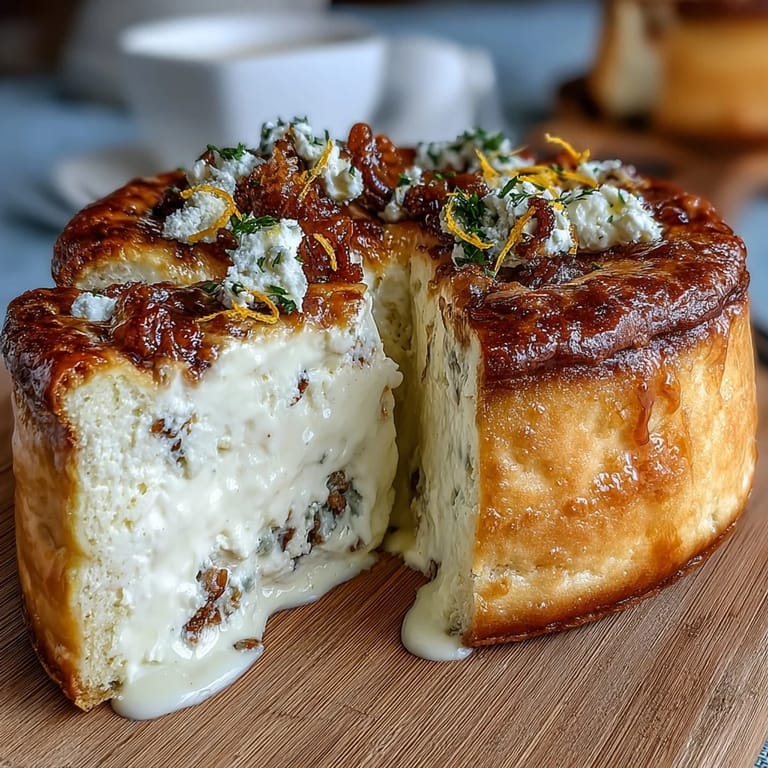
Save This pie has become my signal to family and friends that I'm thinking of spring, new beginnings, and the simple pleasure of food made with care. Every time I make it, I'm honoring that kitchen memory while creating new ones.
Recipe FAQs
- → What type of ricotta is best for this pie?
Use whole milk ricotta that is well drained to ensure a creamy texture without excess moisture.
- → Can I substitute the lemon zest with other citrus flavors?
Yes, orange zest or a combination of citrus zests can be used to add different bright flavors.
- → How should the pastry dough be handled for best results?
Keep the butter cold and rub it into the flour to create a crumbly texture, then chill the dough thoroughly before rolling.
- → What indicates that the pie filling is perfectly baked?
The filling should be set with a slight wobble in the center and a light golden color on top.
- → How long should the pie be chilled before serving?
Chill at least 2 hours to allow the filling to firm up and flavors to meld.