 Save
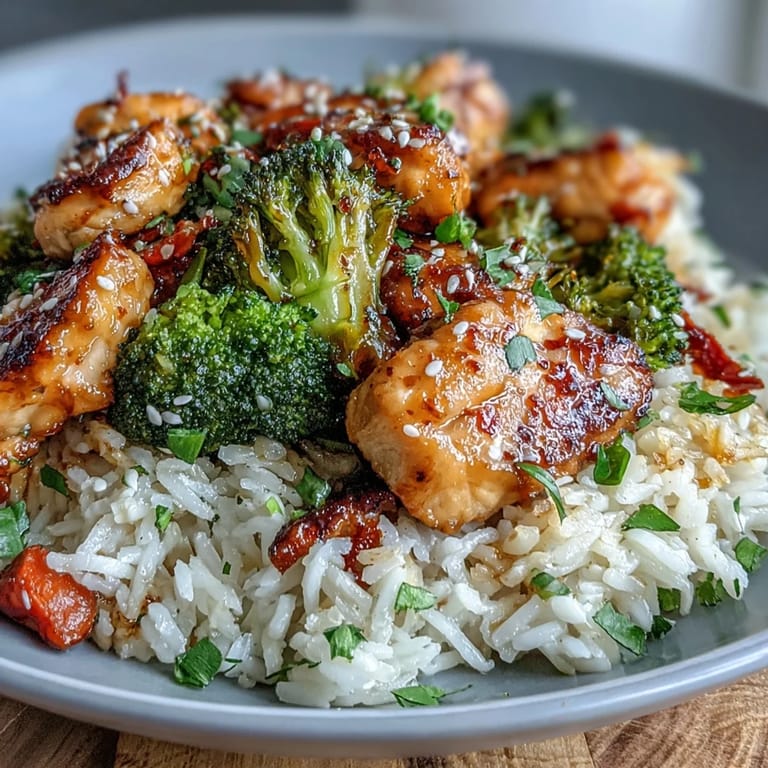
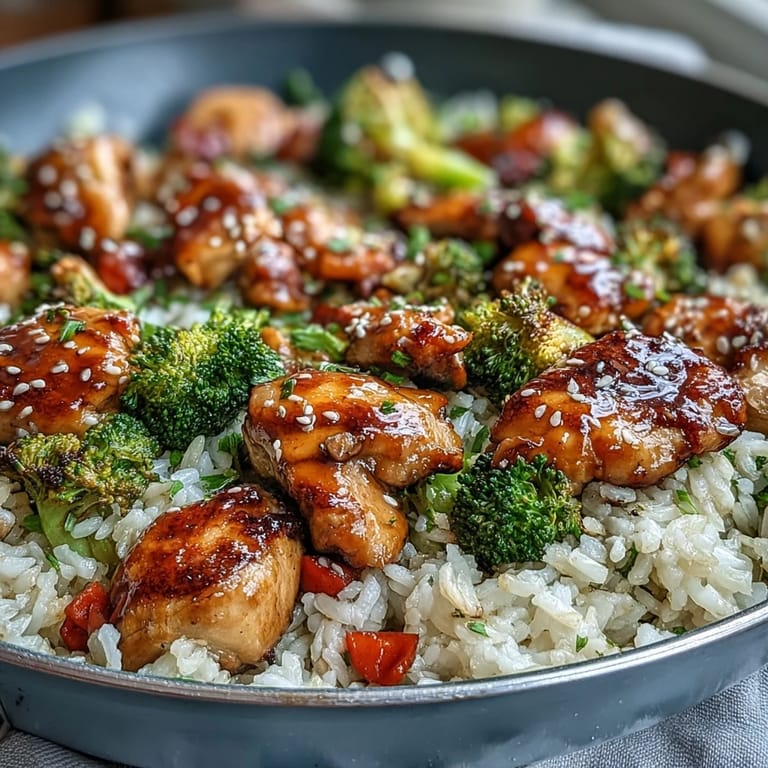
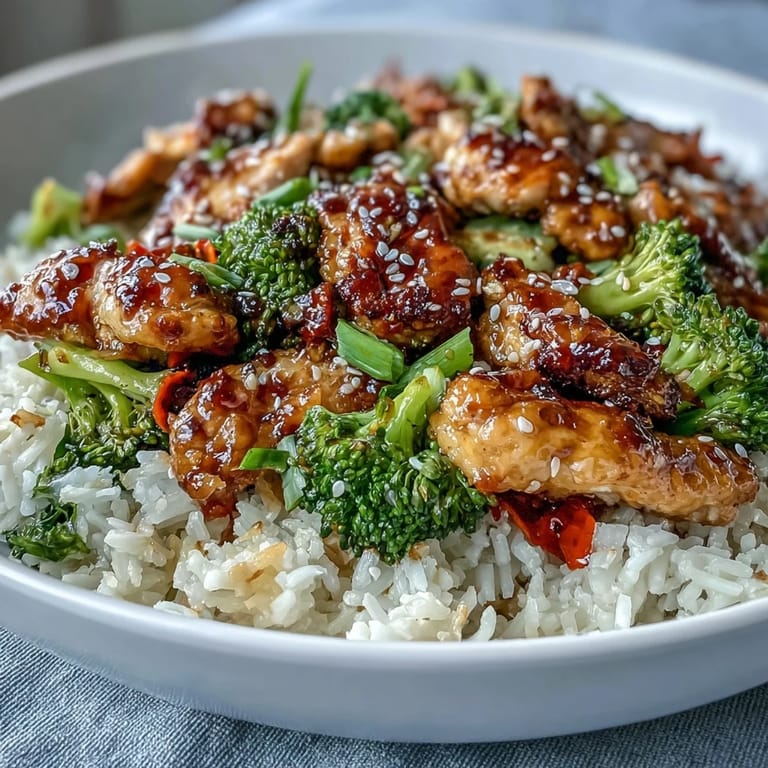
Save There's something about the smell of garlic hitting hot oil that makes you feel like a real cook, even if dinner started five minutes ago. I discovered this one-pan wonder on a Tuesday night when I had chicken thighs, rice, and the vague hope that throwing everything together would somehow work out. The magic was in that honey-garlic sauce—sweet enough to feel indulgent, savory enough to taste like takeout, all happening in one skillet while I stood there amazed it was actually working.
I made this for my partner on a night when we'd both had long days and neither of us wanted to do dishes, which honestly is when the best meals happen. Watching them take that first bite and hearing the satisfied sigh made me realize this wasn't just dinner—it was proof that simplicity done right beats complexity every time. Now it's become our default when we need something that feels special but won't stress us out.
Ingredients
- Chicken thighs or breasts (1 lb, cut into 1-inch pieces): Thighs stay more forgiving and juicy, but breasts work if that's what you have—just watch them so they don't dry out.
- Long-grain white rice (1 cup, rinsed): Rinsing removes the starch so each grain stays separate instead of turning mushy, which took me three attempts to understand.
- Broccoli florets (2 cups): They go in near the end so they stay crisp-tender instead of turning into sad little trees, and the timing is crucial.
- Carrot (1 medium, diced): Adds subtle sweetness and a bit of texture that keeps things interesting throughout the bowl.
- Green onions (3, sliced): Reserve some for garnish because those fresh, sharp notes at the end tie everything together in a way that cooked green onions just can't.
- Honey (3 tbsp): This is your sweetness anchor—don't skip it and don't add more, because balance is everything here.
- Garlic (4 cloves, minced): Mince it fine so it dissolves into the sauce instead of leaving chunks that feel jarring when you bite into them.
- Low-sodium soy sauce (1/4 cup): Low-sodium matters because you're reducing this down and regular soy sauce would make everything too salty to enjoy.
- Rice vinegar (1 tbsp): It cuts through the richness and keeps the sauce from being cloyingly sweet—a small amount that does big work.
- Sesame oil (1 tbsp): Use the dark roasted kind for real sesame flavor, not the light kind that tastes like almost nothing.
- Ground black pepper (1/2 tsp): Freshly cracked is noticeably better than pre-ground, if you have the option.
- Low-sodium chicken broth (2 cups): This is your cooking liquid, so quality matters—use something you'd actually drink.
- Sesame seeds and reserved green onions for garnish: These finishes turn a good bowl into one that looks like you spent actual effort.
Tired of Takeout? 🥡
Get 10 meals you can make faster than delivery arrives. Seriously.
One email. No spam. Unsubscribe anytime.
Instructions
- Make the sauce while you're still thinking clearly:
- Whisk honey, minced garlic, soy sauce, rice vinegar, sesame oil, and black pepper together in a small bowl. This only takes a minute but doing it now means you won't be frantically mixing mid-cook when the chicken is threatening to stick.
- Sear the chicken until it's golden and confident:
- Heat your skillet over medium-high and add a drizzle of oil, then scatter in the chicken pieces. Let them sit for a couple minutes before flipping so they actually brown instead of just turning gray—that's where the flavor lives. Two to three minutes per side is perfect; they don't need to cook through because they'll finish in the liquid.
- Build your foundation with rice and vegetables:
- Add the rinsed rice, diced carrot, and most of the green onions to the pan with the chicken and stir everything together so it's all integrated. You want the rice grains to kiss the hot pan for a few seconds, which helps them cook more evenly.
- Pour in the sauce and broth, then let physics do the work:
- Add the honey-garlic sauce and chicken broth, stirring well so nothing sticks to the bottom. Bring it to a gentle boil—you'll see the liquid start moving, then let it bubble for a minute or so, and then reduce the heat.
- Cover and let time handle the rice:
- Turn the heat to low and cover the pan, then set a timer for 15 minutes. Resist every urge to lift that lid and stir—the steam is doing important work in there and every peek lets heat out.
- Add broccoli when steam has mostly done its job:
- After 15 minutes, carefully lift the lid and arrange the broccoli florets across the top of the rice in a single layer without stirring everything together. Cover again and cook for another 8 to 10 minutes until the rice is tender and the liquid is absorbed—the broccoli will be perfectly crisp-tender if you time it right.
- Rest, then fluff with intention:
- Turn off the heat and let the covered pan sit for 5 minutes, which lets everything settle and finish cooking gently. Use a fork to gently fluff the rice instead of stirring, which keeps the grains separate and the whole dish from turning into porridge.
- Finish with garnish for the final touch:
- Scatter sesame seeds and those reserved green onions over the top just before serving, because that contrast between hot rice and cool, crisp onions is what makes someone ask for seconds.
 Save
Save This dish became legendary in our house when my sister visited and ate three bowls in one sitting without saying much, just quietly looking satisfied. That's when I knew it had moved beyond 'easy weeknight dinner' into something that could actually impress people while making you look like you weren't even trying.
Why This Works as Comfort Food
There's psychology in having everything you need in one bowl—protein, vegetables, grains, and sauce all existing in harmony without requiring a side dish negotiation. The honey-garlic combination hits that sweet-savory balance that makes your brain happy, and there's something about eating directly from a warm pan-cooked meal that feels more nourishing than the same dish on a plated setup. It's the kind of food that tastes even better on the second day because the flavors have had time to get to know each other.
Timing and Temperature Matter More Than You'd Think
Medium-high heat for the initial sear creates a fond at the bottom of the pan—those brown stuck-on bits that look like a mess but are actually concentrated flavor. When you pour in the broth and sauce, those bits dissolve and coat everything in umami depth that you couldn't get any other way. The low-and-slow simmer after that is what transforms raw rice into something fluffy, because rushing it by cranking the heat just burns the bottom and leaves the center crunchy.
Variations That Feel Like Different Dinners
The core of this recipe is flexible enough that you can completely change the vibe depending on what's in your crisper drawer or what you're in the mood for. I've added snap peas instead of broccoli on nights when I wanted something crunchier, and I've thrown in sliced bell peppers because they caramelize slightly and add a different kind of sweetness. One time I was out of sesame oil so I used a little more soy sauce and some ginger, and it was so different-but-good that I've kept doing it on purpose.
- Brown rice version: Use brown rice instead and increase broth to 2 1/2 cups, then simmer for 35 to 40 minutes before adding broccoli so everything cooks through.
- Extra heat option: Add 1/2 teaspoon of crushed red pepper to the sauce if you like it spicy, or even a fresh diced chili if you want more texture with that heat.
- Vegetable substitutes: Try snap peas, bell peppers, or bok choy depending on season and what sounds good to you right now.
 Save
Save This meal taught me that sometimes the most impressive dinners are the ones that don't feel like cooking, where ingredients work together so naturally that it feels less like following instructions and more like discovering something you already knew. Make it once and it becomes part of your regular rotation, the kind of thing people start asking for by name.
Recipe FAQs
- → Can I use brown rice instead of white rice?
Yes, brown rice works well but requires more liquid and cooking time. Increase the chicken broth to 2 1/2 cups and simmer the rice covered for 35-40 minutes before adding the broccoli. Brown rice will give you a nuttier flavor and more fiber, though the texture will be chewier than white rice.
- → What other vegetables can I add?
Try snap peas, bell peppers, snow peas, or baby corn for extra color and crunch. You can swap the broccoli entirely or add these vegetables in addition to it. Stir-fry vegetables like bell peppers should be added when you add the broccoli, while quicker-cooking options like snow peas work best during the final 5 minutes of cooking.
- → Can I make this dish spicy?
Absolutely! Add 1/2 teaspoon of crushed red pepper flakes to the sauce mixture for gentle heat. For more spice, try a teaspoon of sriracha or sliced fresh chilies. You can also serve hot sauce on the side so everyone can adjust their own spice level. The sweet honey sauce balances beautifully with spicy elements.
- → Is this dish freezer-friendly?
This dish freezes well for up to 3 months. Let it cool completely, then transfer to freezer-safe containers in portion-sized amounts. Thaw overnight in the refrigerator and reheat gently on the stovetop with a splash of water or broth to refresh the rice. The texture of the broccoli will soften slightly after freezing, but the flavors remain delicious.
- → What protein alternatives work in this dish?
Pork cubes, shrimp, or firm tofu make excellent substitutes for chicken. Shrimp cook much faster, so add them during the final 8-10 minutes with the broccoli. For pork, follow the same cooking times as chicken. If using tofu, press it first to remove excess moisture, then cube and pan-fry until golden before adding the rice and liquid.
- → Why sear the chicken first?
Searing the chicken before adding the liquid creates a golden, flavorful crust that adds depth to the final dish. This Maillard reaction develops rich, savory notes that infuse the entire dish. While the chicken finishes cooking in the simmering liquid, that initial sear makes a noticeable difference in the overall flavor profile.